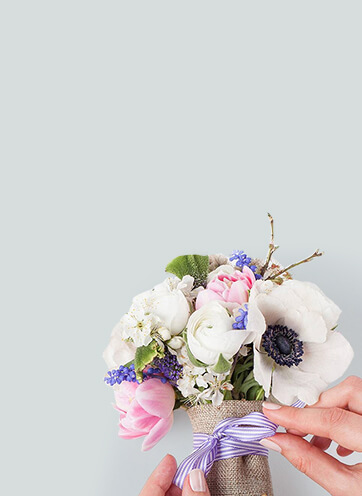
Common problems with wedding flowers in Brondesbury
Posted on 07/10/2026
Wedding flowers should feel effortless on the day. In reality, a lot can go wrong between the first mood board and the moment the bouquets are handed over in Brondesbury. Weather, timing, transport, colour matching, venue rules, and simple communication slip-ups all have a habit of showing up at the worst possible moment. If you are planning wedding flowers in Brondesbury, knowing the common problems with wedding flowers in Brondesbury early can save stress, money, and that awful last-minute panic.
This guide walks through the real issues couples run into, why they happen, how to reduce the risk, and what to ask before you place an order. It is written for practical decision-making, not floral daydreaming. Lovely flowers matter, yes. But so does getting them to the right place, in the right condition, at the right time. Let's face it, that is the bit nobody wants to be improvising at 8:15 on a wedding morning.
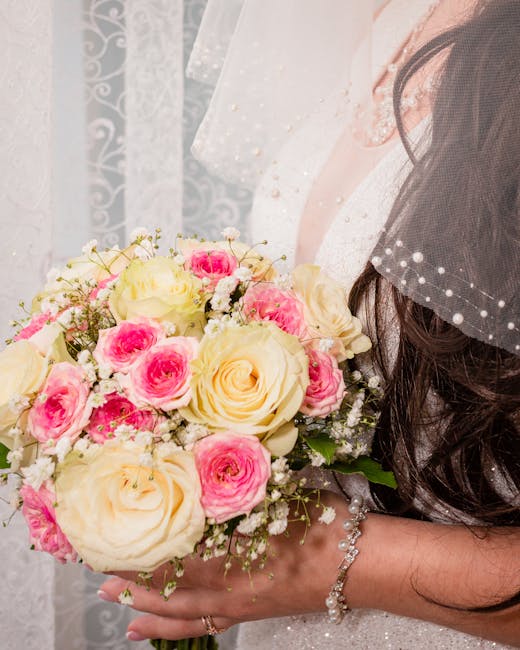
Why Common problems with wedding flowers in Brondesbury Matters
Brondesbury sits in a part of London where weddings often move quickly between homes, transport, venues, and photo locations. That can make flower planning more complex than it first appears. A bouquet that looks perfect on a website may not hold up well on a warm train journey, in a tight prep room, or after being left a little too long in water. And if the venue has a narrow delivery window? Well, things can get fiddly very quickly.
The reason this topic matters is simple: floral issues are rarely just visual. A delayed bridal bouquet can hold up photography. A crushed buttonhole can affect the groom party. An oversized installation can clash with venue access. One small error tends to snowball, especially when the schedule is already tight. That is why people looking for wedding flowers in Brondesbury often need more than a pretty arrangement; they need dependable planning.
There is also a budgeting angle. Wedding flowers are one of those areas where couples can spend a little more than expected because of changes, extras, replacement blooms, or last-minute delivery requests. Being aware of common pain points helps you make calmer choices. In our experience, the couples who ask a lot of questions early usually end up happier on the day. Not always because everything is flawless, but because surprises are fewer. And honestly, that's the win.
Expert summary: The biggest wedding flower problems in Brondesbury usually come down to timing, seasonal availability, communication gaps, and delivery logistics. If you control those four things, you avoid most of the drama.
How Common problems with wedding flowers in Brondesbury Works
Wedding flowers are not just one purchase; they are a chain of decisions. The style is chosen, the flowers are sourced, the designs are prepared, then everything is stored, transported, and placed on site. Each step creates a potential weak point. If one link is off, the whole look can suffer. That is the basic mechanism behind most problems.
In Brondesbury, the local setting matters too. North-west London traffic can be unpredictable, especially around school runs, weekends, and busy event timings. Parking near some venues can be awkward, and that affects delivery loading time. If the florist has to navigate stairs, reception desks, or limited access windows, even a beautiful arrangement can arrive slightly stressed. Flowers feel things. Not emotionally, of course, but physically they do react to heat, movement, dehydration, and poor handling.
Here are the most common failure points:
- Briefing mismatch: what the couple imagined is not what was ordered.
- Seasonal substitution: a requested flower is unavailable, so an alternative is used.
- Last-mile delivery issues: traffic, access restrictions, or timing clashes.
- Condition problems: blooms arrive too early, too hot, too cold, or not hydrated enough.
- Venue fit issues: arrangements are too large, too tall, or unsuitable for the space.
A good florist will usually manage these risks with planning, substitution options, and clear confirmation. A less careful provider may leave you guessing. That is where stress begins. The good news? Most of these issues are preventable with a bit of structure and the right questions.
Key Benefits and Practical Advantages
It may sound odd to talk about benefits in an article about problems, but there is a real upside to understanding them. Once you know the usual traps, you can plan flowers that are more reliable, less wasteful, and better matched to the day itself. That makes the whole wedding feel smoother.
Some practical advantages include:
- More predictable results: you know what will happen if a flower is unavailable.
- Better budget control: fewer surprise add-ons or emergency replacements.
- Smoother delivery: arrangements are designed with the venue and timing in mind.
- Less visual disappointment: colours, scale, and style are confirmed more clearly.
- Lower stress on the day: fewer calls, fewer tweaks, fewer crossed wires.
Another useful benefit is confidence. A couple who understands the process tends to communicate more clearly, and that matters. If you want romantic, soft, garden-style wedding flowers or a cleaner modern look, clarity helps the florist deliver the right feel rather than just the right stems. For many couples, that alone is worth the effort.
There is also the benefit of flexibility. Sometimes the best wedding flowers are not the rarest ones; they are the ones that stay fresh, travel well, and suit the season. That practical thinking often leads to better results than chasing a very specific flower at the last minute.
Who This Is For and When It Makes Sense
This guide is for anyone planning wedding flowers in Brondesbury who wants fewer surprises and better value. That includes couples with small registry office-style ceremonies, larger receptions, multicultural weddings, intimate family gatherings, and venue-based celebrations with multiple floral touchpoints. If flowers matter to the atmosphere of your day, this is for you.
It is especially useful if:
- you are working to a fixed budget and do not want overspending
- your wedding date falls in a busy season with higher demand
- you are choosing between custom arrangements and ready-made wedding collections
- you need flowers delivered to more than one location
- your venue has tight access, strict timings, or a tricky layout
- you want bouquets, buttonholes, corsages, and table flowers to match without looking overdone
It also makes sense if you have a strong style in mind but are not fully sure what flowers will hold up best. Truth be told, many couples fall into that camp. They have a colour scheme, a few saved images, and a general feeling. That is a perfectly normal place to start. The trick is turning that feeling into something workable.
If you are coordinating with family members, bridesmaids, ushers, or a planner, this guide can help everyone speak the same language. That matters more than people think. A quick misunderstanding about bouquet size can turn into a much bigger issue once the dresses are on and the car is waiting outside.
Step-by-Step Guidance
Here is a practical way to reduce the most common wedding flower problems in Brondesbury without turning planning into a second job.
- Start with the venue and schedule. Before choosing flowers, confirm ceremony time, delivery access, lift availability, parking, and whether the venue has any decoration rules. Some spaces are happy with large installations; others are less flexible.
- Choose the style before the stems. Decide whether you want classic, romantic, contemporary, seasonal, minimalist, or luxurious flowers. This keeps the design focused.
- Be honest about the budget. A clear budget helps avoid awkward compromises later. It also lets the florist suggest options that suit the season and hold up well.
- Confirm the must-haves. List the items that cannot go wrong: bridal bouquet, groom buttonhole, bridesmaid bouquets, ceremony flowers, reception table arrangements. Prioritise those first.
- Ask about substitutions. Seasonal flowers can vary. A reliable florist should explain how similar flowers may be used if one bloom is unavailable.
- Request written confirmation. Even a simple summary helps. It should cover flower types, colours, quantities, timing, and delivery address.
- Plan the delivery window carefully. Allow enough time for setup and a buffer for traffic. London is rarely in a rush to help you out, sadly.
- Check handling instructions. Know who is responsible for placing bouquets in water, moving table arrangements, or storing items before the ceremony.
- Do a final review two to three weeks before the wedding. Confirm any guest count changes, table layout changes, or venue access updates.
- Prepare a day-of contact. Someone should be able to answer the florist's call if there is a building access issue or a timing question.
A small but useful tip: photograph the venue entrance and main table spaces in advance if you can. It gives the florist a sense of scale. A flower arch looks completely different in a bright, high-ceiling room than it does in a cosy back room with low light and a few awkward corners.
Expert Tips for Better Results
Most wedding flower problems are not about lack of beauty. They are about lack of detail. These small improvements make a big difference.
1. Think about transport first
Bouquets and buttonholes can travel fairly well if kept cool and upright, but large arrangements need more care. If your flowers are moving between locations, ask how they will be packed and how long they can sit before setup. In warm weather, this matters even more. A bouquet that looks fresh at pickup can fade faster than you expect in a hot car.
2. Keep the palette realistic
Not every colour combination ages gracefully once the flowers are in a room with natural light, candles, and table linen. Soft whites, blush, greens, creams, and muted pastels are easier to balance. Bold colours can be beautiful too, of course, but they need a bit more precision.
3. Use seasonal flowers where possible
Seasonal blooms usually travel better, look fresher, and cost less than out-of-season alternatives. That does not mean you cannot have a favourite flower. It just means the flower may need a supporting cast rather than centre stage.
4. Match the flowers to the format
A bridal bouquet, a buttonhole, and a ceremony pedestal are not the same job. A flower that works beautifully in a hand-tied bouquet may look too delicate in a large arrangement. Ask for recommendations by format, not just by flower name.
5. Leave a little breathing room in the design
Very dense arrangements can be stunning, but they are harder to keep looking good all day. A little space in the design sometimes gives a softer, more natural feel and reduces bruising during delivery. Simple, but effective.
One more thing. Do not be shy about asking what happens if something arrives damaged or late. That is not being difficult. That is sensible planning, and any professional florist should respect it.
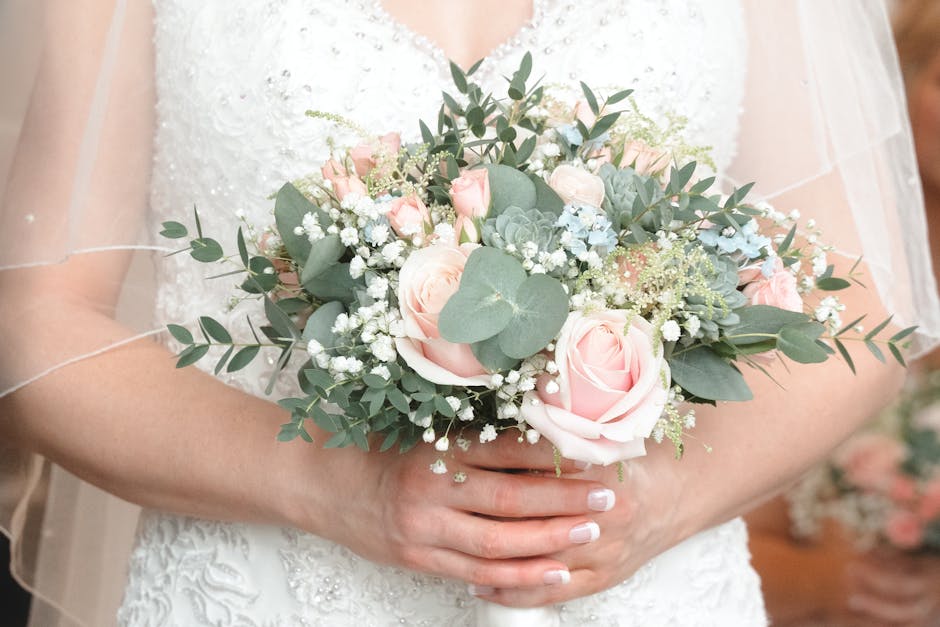
Common Mistakes to Avoid
Even organised couples slip up here. Wedding flowers are easy to underestimate because the order looks simple on paper. It is not always simple in practice.
- Leaving the order too late: the best time to plan is before the diary gets crowded.
- Choosing based on photos only: pictures can hide scale, season, and maintenance issues.
- Ignoring venue restrictions: open flames, hanging pieces, or floor arrangements may need approval.
- Forgetting the weather: warm rooms, direct sun, and long transport times all affect flowers.
- Assuming "white" means one shade: ivory, cream, bright white, and off-white can clash if not checked.
- Not checking stem length and bouquet size: a bouquet can be visually lovely but awkward to hold for hours.
- Over-ordering decorative extras: sometimes less is more, especially in smaller venues.
- Failing to name a decision-maker: if everyone can approve changes, nobody is really in charge.
There is also a quieter mistake: not thinking about what happens after the ceremony. Some flowers can be reused at the reception, moved to a memorial table, or taken home by family. That can be a lovely, practical touch and helps the value go further. Waste less, enjoy more. Sounds obvious, but it gets missed.
Tools, Resources and Recommendations
You do not need fancy software to plan wedding flowers properly. A few simple tools are enough.
- A mood board or image folder: save examples of shapes, colours, and textures you actually like.
- A guest and table plan: helpful for estimating table arrangements and focal points.
- A venue layout or floor plan: useful for ceremony pieces, top table flowers, and entrance arrangements.
- A short written brief: include colour palette, flower preferences, dislikes, and budget range.
- A wedding day contact list: name the person who can speak to the florist if plans change.
If you are looking for inspiration or want to see what floral styles are available locally, browsing a specialist page such as wedding flowers in Brondesbury can help you compare styles more clearly. For couples who want a broader overview of the local service, a Brondesbury florist can be a useful starting point.
For ceremony and reception planning, the product pages for bridal bouquets, bridesmaid bouquets, buttonholes, and table arrangements are especially helpful because they show how the different pieces fit together as one wedding look.
If you prefer a bundled approach, a collection such as wedding flowers and collections can simplify ordering. That is often a relief when there are a dozen other wedding decisions circling around at the same time.
Law, Compliance, Standards, or Best Practice
For wedding flowers, the main compliance issues are usually practical rather than legal, but best practice still matters. Venues may have their own rules about access, installation, candles, adhesives, and use of surfaces. Always check with the venue before planning floral structures, hanging pieces, or anything that might obstruct exits or damage walls and furniture.
From a business and consumer perspective, clear terms matter too. A reputable florist should explain delivery arrangements, cancellation conditions, substitution policy, and refund handling in straightforward language. If something goes wrong, it should be obvious who is responsible for what. That is not just courteous; it is good practice.
UK weddings can also involve mixed faith or cultural traditions, and flowers may need to fit specific customs, colours, or symbolic preferences. That is worth discussing early rather than treating it as a nice extra. For example, certain families may prefer white arrangements, while others may want bold colours or particular forms for ceremonial use. Better to ask than assume.
Health and safety is another common-sense area. Floral foam, water trays, and heavy arrangements should be handled carefully, especially in busy prep areas. In venues with children, older guests, or narrow walkways, avoid anything that creates a trip hazard. Best practice is often simple: stable, tidy, and well-communicated.
Options, Methods, or Comparison Table
Different approaches suit different weddings. Here is a straightforward comparison to help you choose the right method for your Brondesbury wedding flowers.
| Approach | Best for | Advantages | Possible drawbacks |
|---|---|---|---|
| Fully custom design | Couples with a clear vision and flexible budget | Highly personal, tailored to venue and style | Needs more lead time and clearer communication |
| Curated wedding collection | Couples who want structure and simplicity | Easier to order, more predictable, often better value | Less room for unique tweaks |
| Seasonal florist-led choice | Couples open to expert suggestions | Freshest options, often stronger durability | Less control over exact flower names |
| Mix of bespoke and standard pieces | Couples balancing impact and budget | Good compromise, especially for larger weddings | Requires careful planning to keep the look consistent |
In practice, the mixed approach works well for many weddings. You might choose a bespoke bridal bouquet and keep the bridesmaid bouquets and table flowers simpler. That can preserve the overall look while keeping the budget under control. It also reduces risk a little, which never hurts.
Case Study or Real-World Example
Here is a realistic scenario. A couple planning a late-spring ceremony in Brondesbury wanted soft white and blush flowers with a few textured stems. They had a ceremony at one location and a reception at another, both with limited parking. Their first instinct was to build everything around one very specific bloom they had seen online.
After talking through the logistics, they shifted to a design that kept the same mood but relied more on seasonal flowers that travel well. The bouquet stayed elegant, the buttonholes were simpler, and the table flowers were designed in smaller pieces that could be moved easily. Nothing dramatic. Just sensible.
On the day, one delivery slot needed a slight adjustment because traffic was heavier than expected. Because the timing buffer had been built in, the flowers still arrived calmly. No one had to run around with half-dressed buttonholes and panic in their eyes. The result looked polished, and more importantly, the couple actually enjoyed the morning.
The useful lesson? The best floral result is often the one that respects real-world conditions. Beautiful is good. Beautiful and manageable is better.
Practical Checklist
Use this checklist before you confirm your wedding flowers in Brondesbury.
- Have you confirmed the ceremony and reception times?
- Do you know the venue access rules and delivery point?
- Have you set a realistic floral budget?
- Have you chosen a clear style or mood?
- Have you listed your must-have items?
- Have you checked seasonal availability for favourite flowers?
- Have you asked about substitutions if something is unavailable?
- Have you confirmed who will receive the flowers on the day?
- Have you allowed time for traffic and setup?
- Have you checked whether table arrangements can be reused later?
- Have you saved written confirmation of the order?
- Have you named one person to make decisions if needed?
If you can tick most of those boxes, you are in a strong position. Not perfect, maybe, but strong. And that is usually enough to avoid the common problems with wedding flowers in Brondesbury that catch people out.
Conclusion
The common problems with wedding flowers in Brondesbury are rarely mysterious. They are usually about timing, transport, seasonal changes, venue logistics, or unclear communication. Once you understand those pressure points, planning becomes much easier and the flowers themselves become less of a gamble.
Focus on the venue first, keep the design realistic, and ask for clarity on substitutions, delivery, and setup. That approach gives you a better chance of flowers that not only look lovely, but actually hold together through the day. Which, in wedding terms, is everything.
And if there is one final thought to leave you with, it is this: calm planning makes beautiful flowers feel even more beautiful. There is something reassuring about that. It lets the day breathe.
Get a free quote today and see how much you can save.
Frequently Asked Questions
What are the most common problems with wedding flowers in Brondesbury?
The most common issues are late delivery, flower substitutions, colour mismatches, poor communication, and arrangements that do not suit the venue or weather. Timing and logistics cause more trouble than most couples expect.
How far in advance should I book wedding flowers?
As early as you can, especially for peak wedding dates. Booking early gives you more choice and more time to refine the brief. If your wedding is soon, you can still get good results, but the options may be narrower.
What if a flower I want is out of season?
A good florist should suggest a close seasonal alternative that keeps the same shape, colour, or feel. Sometimes the replacement looks even better in the final arrangement. It happens more than you might think.
How do I stop my bouquet from looking too small or too large?
Ask for a size reference and, if possible, compare it with your height, dress style, and how long you will be holding it. Bouquet scale is easier to judge with real examples than with photos alone.
Can wedding flowers be delivered to more than one location in Brondesbury?
Yes, but split deliveries need careful timing. Make sure every address, access point, and contact number is confirmed. The more stops involved, the more important the schedule becomes.
Are wedding flower collections better than fully custom designs?
Neither is always better. Collections are often simpler and more predictable, while custom designs give more personal freedom. If you want fewer decisions and cleaner budgeting, a curated collection can be very practical.
What should I ask a florist before ordering wedding flowers?
Ask about seasonal availability, substitutions, delivery timing, setup help, venue access, and what happens if something changes. Those questions reveal a lot about how organised the service is.
Do wedding flowers need special care on the day?
Yes. Keep bouquets in water until needed, avoid hot cars, and make sure arrangements are placed safely. Small handling mistakes can shorten the life of flowers surprisingly quickly.
How can I save money on wedding flowers without making them look cheap?
Choose seasonal blooms, reuse arrangements between ceremony and reception, and focus the budget on the most visible pieces. Simpler table flowers and a strong bouquet often deliver better value than trying to make everything equally elaborate.
What happens if the florist has to substitute flowers?
Substitutions should be close in style, colour, and value where possible. Good florists explain this upfront so you are not caught off guard on the day. If this worries you, ask for the substitution policy in writing.
Can I reuse ceremony flowers at the reception?
Often, yes. Many arrangements can be moved from the aisle, entrance, or ceremony backdrop to the top table or guest tables later in the day. This is one of the easiest ways to stretch the budget further.
What is the safest approach if my venue has limited access?
Use smaller arrangements, allow extra delivery time, and keep the design easy to carry and place. If access is tight, a simpler plan usually performs better than a highly complex one. Calm and practical tends to win here.